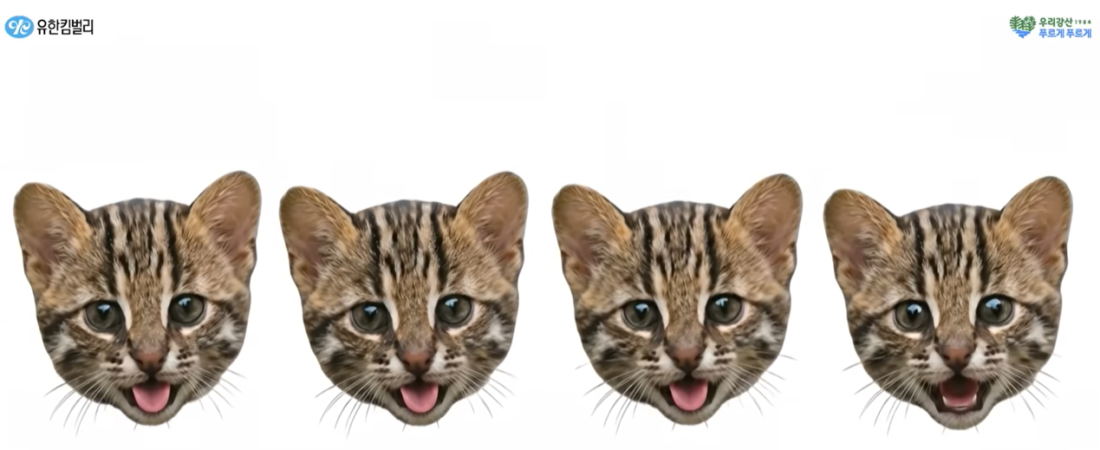
Discover Korea’s wild cat, the salk (삵), also known as the leopard cat. Learn how it differs from domestic cats, why it is such a skilled hunter, and why this protected wild animal matters in Korea’s ecosystem.
Have You Heard of Korea’s Wild Cat “Salk”? How It’s Different from a House Cat
Meet Salk, Korea’s Wild Cat
If you love cats, you might be surprised to learn that Korea has a wild cat called salk (삵). At first glance, it can look a bit like a domestic cat, which is why many people do a double take when they first see it in photos.
But salk is not a stray cat or a forest version of a pet cat. It is a true wild feline. In English, it is generally known as the leopard cat. It is one of the most fascinating wild animals you can learn about in Korea because it looks familiar, yet behaves completely differently from the cats we know at home.
https://youtu.be/e7wY8R1hP5c?si=rlpKcNSKkFfwttBR
Recently, Yuhan-Kimberly even released a fun YouTube song video about salk, making this wild animal feel a little more friendly and approachable. If you enjoy cute animal content with a meaningful message, it is definitely worth a watch.
What Exactly Is a Salk?
The Korean salk is a leopard cat (Prionailurus bengalensis), a small wild cat found across parts of Asia, including the Korean Peninsula. In Korea, it is especially meaningful because Korean environment authorities describe it as the only wild feline currently living in the country’s natural ecosystem and classify it as a Class II endangered wildlife species.
It is usually about:
- 45–55 cm in body length
- 25–32 cm in tail length
- 3–7 kg in weight
That means it is not dramatically bigger than some domestic cats, but its appearance is much more rugged and wild.
Typical features include:
- a yellowish-brown or reddish-brown coat
- dark spots across the body
- clear stripes on the face and forehead
- a thicker, shorter-looking tail
- a more athletic and alert build than a house cat
Once you notice the face and body pattern, it becomes easier to tell that this is not an ordinary cat.
How Is Salk Different from a House Cat?
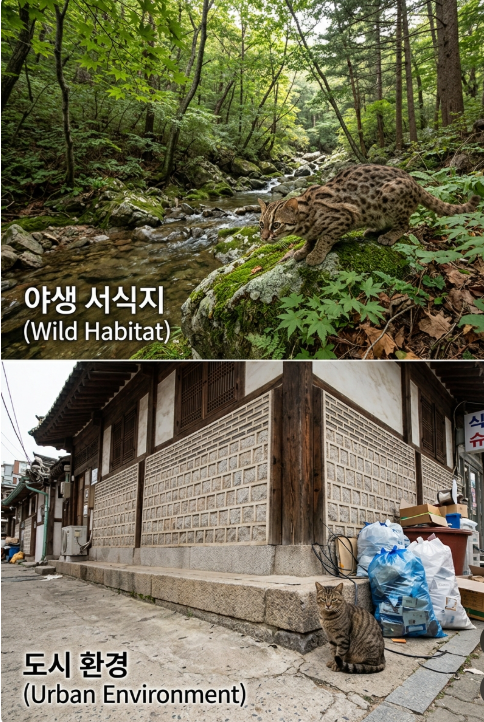
This is probably the most interesting question for cat lovers.
1. It looks similar, but much wilder
A domestic cat may share some basic feline features with salk, but the wild leopard cat has a much sharper, more intense look. Its spotted coat, facial stripes, thicker tail, and muscular body make it look like a miniature wild predator.
2. It lives a completely different life
House cats have adapted to living with humans over many generations. Salk, on the other hand, is a solitary wild animal that survives on its own in forests, fields, and natural habitats. It is not a domesticated animal and does not live with people the way pet cats do.
3. It is a serious hunter
Unlike a pet cat that chases toys around the living room, salk hunts for survival. Leopard cats are known to prey mainly on rodents, and their diet can also include birds, reptiles, amphibians, insects, and other small animals depending on the habitat.
4. It handles water better than most domestic cats
Many people associate cats with avoiding water, but leopard cats are different. Conservation sources describe them as good swimmers, and they are known to use waterside habitats as part of their wild life. That alone makes them feel very different from the average house cat.
Why Is Salk Such a Good Hunter?
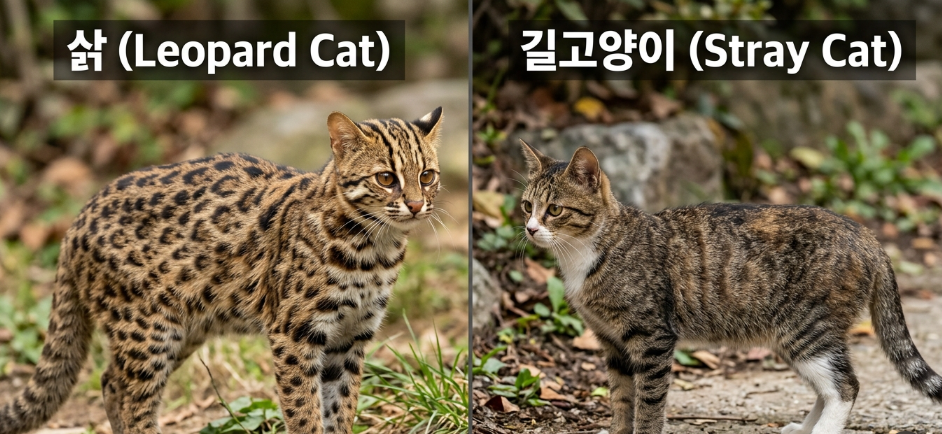
One of the reasons salk is so fascinating is that it is a small cat with very real predator instincts.
Leopard cats are known for:
- quiet, stealthy movement
- quick reaction speed
- strong night hunting ability
- agility on the ground and in trees
- sharp awareness of their surroundings
Most of their hunting is done at night, and they rely on speed, patience, and surprise. Even though they are not large animals, they are highly effective hunters.
In that sense, salk is not just “a cat living in the wild.” It is a true part of Korea’s natural food chain.
Yes, This Wild Cat Can Swim
One of the most surprising facts about salk is that it is much more comfortable around water than many people expect.
According to wild cat conservation sources, leopard cats swim very well compared with what most people imagine when they think of cats. They may use riverside or wetland areas and can move through watery environments when necessary.
That is part of what makes them so interesting. They are not limited to one simple image of a forest cat. They are adaptable, athletic, and able to
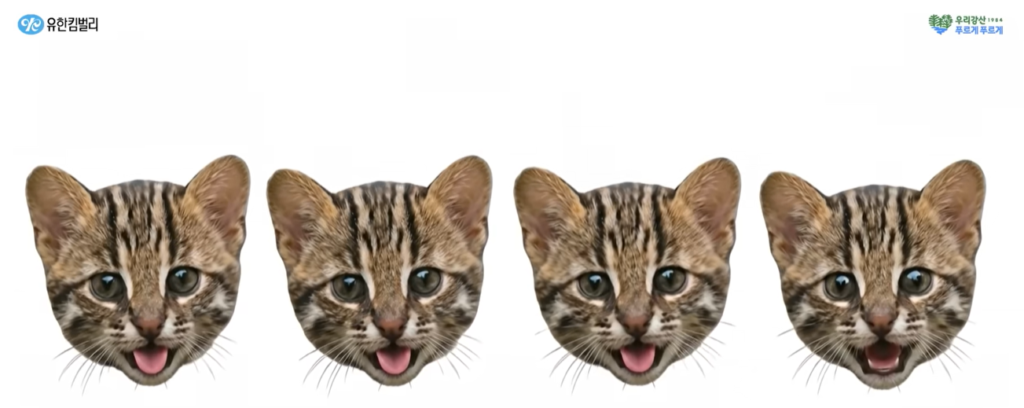
survive in a variety of habitats.
Why Salk Matters in Korea
Salk is not important only because it is cute or rare. It matters because it plays a real ecological role.
As a small predator that feeds heavily on rodents, it helps maintain balance in the ecosystem. In that sense, the presence of salk can tell us something about the health of forests and natural habitats in Korea.
At the same time, salk faces real threats, including:
- habitat loss
- roadkill
- human disturbance
- past poisoning linked to rodent control
- broader environmental pressure on biodiversity
That is why learning about salk is not just about admiring a cute wild animal. It is also about understanding how important biodiversity and habitat protection are.
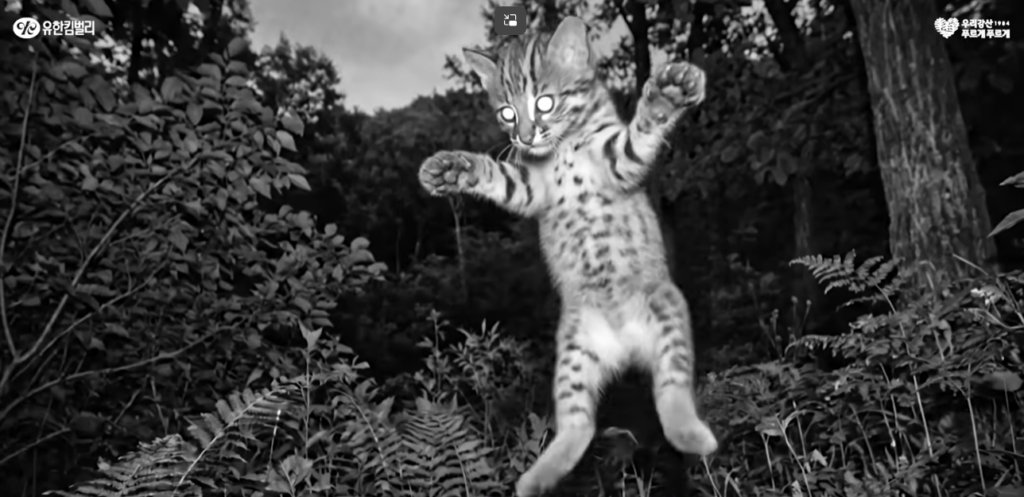
A Fun Way to Learn About Salk
If you want a lighter and more fun introduction to this animal, there is a YouTube video by Yuhan-Kimberly that turns salk into a catchy and memorable theme.
YouTube Video
“What Happened After Yuhan-Kimberly Planted Trees ‘Seuk-salk, Seuk-salk’ in the Forest”
The video presents salk in a playful way, but it also connects to a deeper message about forests, biodiversity, and wildlife-friendly habitats. I think this kind of content is great because it helps more people discover wild animals they may never have thought about before.
A Wild Cat That Deserves More Attention
The more you learn about salk, the more interesting it becomes.
It may remind you of a domestic cat at first, but it is really a different kind of animal altogether:
- a wild hunter
- a skilled climber
- a capable swimmer
- a solitary forest predator
- an important part of Korea’s ecosystem
That is what makes salk so special. It is cute, yes — but it is also strong, adaptable, and truly wild.
If you are interested in Korean nature, Korean wildlife, or simply unusual cat facts, salk is one of the most memorable animals to know.
Korea’s salk is a wonderful example of how familiar and surprising nature can be at the same time. It looks a little like a cat you might know, but its life is completely shaped by the wild.
And maybe that is why it captures people’s attention so easily.
It feels close to us, but it still belongs to the forest.
If you have never heard of salk before, this is a great time to discover it — and maybe enjoy the song too.
Salk is Korea’s wild leopard cat: a spotted feline that looks a bit like a house cat, but hunts, climbs, and even swims like a true wild predator.
#Salk #LeopardCat #KoreaWildlife #KoreanWildCat #WildCat #KoreanAnimals #Biodiversity #WildlifeConservation #EndangeredWildlife #LeopardCatKorea #CatsOfAsia #KoreanNature