If you get sick suddenly in Korea, pharmacies are one of the best places to find reliable over-the-counter medicine. This guide introduces popular Korean products for indigestion, wounds, allergies, diarrhea, and pain relief.
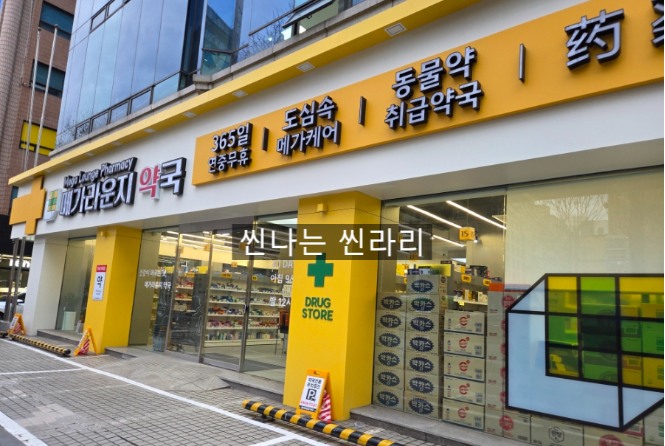
Essential Korean Medicines for Sudden Illness
When I suddenly feel sick in Korea, I usually recommend visiting a local pharmacy first. These days, there are late-night pharmacies, duty pharmacies, and even large discount-style pharmacies, so it is often easier than people expect to find basic medicine quickly. Convenience stores also sell a limited range of first-aid medicines, but pharmacies usually offer more options and better guidance from a pharmacist.
1. For indigestion: KAS Hwalmyeongsu
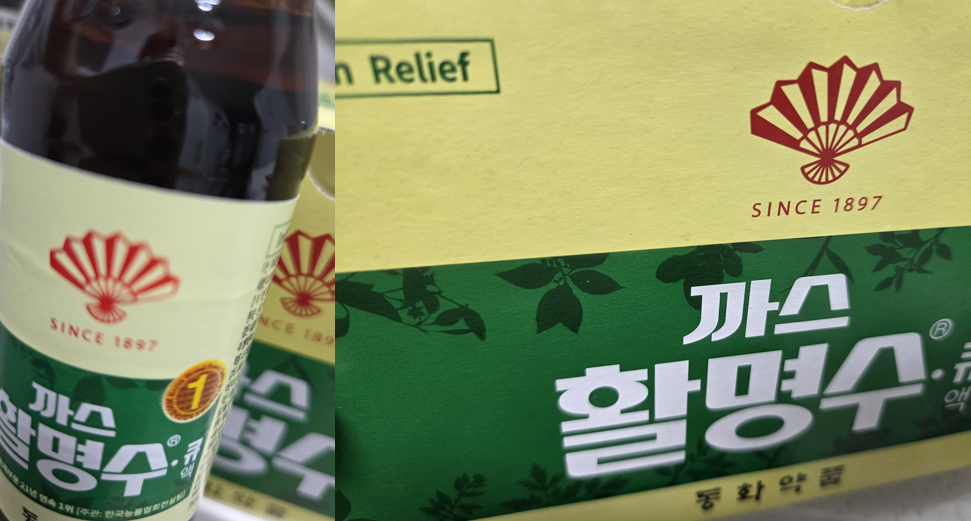
One of the most famous digestive medicines in Korea is KAS Hwalmyeongsu. Many Koreans look for it when they feel bloated, overly full, or uncomfortable after eating. Products sold at pharmacies and convenience stores may not always be the same, so if you are unsure, it is better to ask a pharmacist which version is most appropriate for your symptoms. Some travelers also like the smaller portable liquid versions because they are easy to carry.
2. For minor cuts and wounds: Fucidin and Madecassol
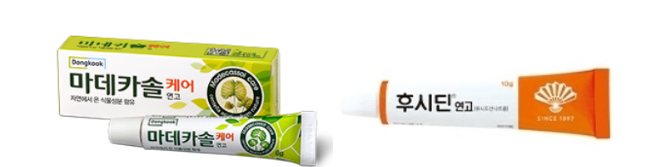
For minor skin injuries, many people in Korea think of Fucidin or Madecassol. These are two of the best-known ointments for everyday wound care.
Madecassol is especially famous in Korea and has long been recognized as a household wound ointment. It is often used for minor wounds, scrapes, and skin recovery. If the wound looks deep, infected, or unusually painful, however, it is always better to visit a clinic or hospital.
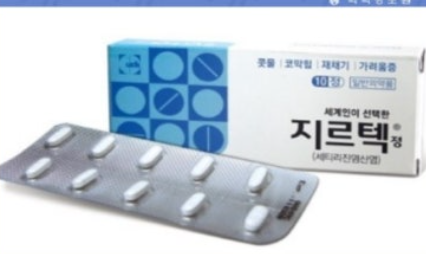
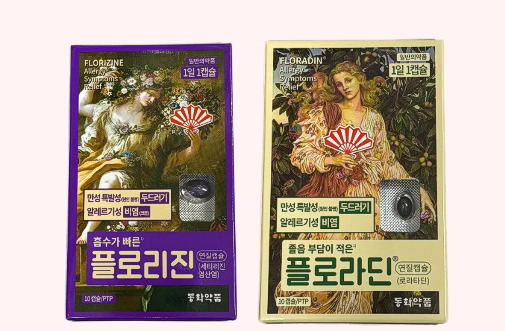
3. For seasonal or sudden allergies: Zyrtec and Florizine
During spring or when allergy symptoms appear suddenly, many people in Korea choose antihistamines such as Zyrtec or Florizine. These products are commonly used for symptoms such as runny nose, sneezing, itching, and other mild allergy-related discomfort. Even though the tablets are small, they are widely known and easy to find at pharmacies. Because some allergy medicines can cause drowsiness, it is a good idea to ask the pharmacist before taking them, especially if you need to drive or stay alert.
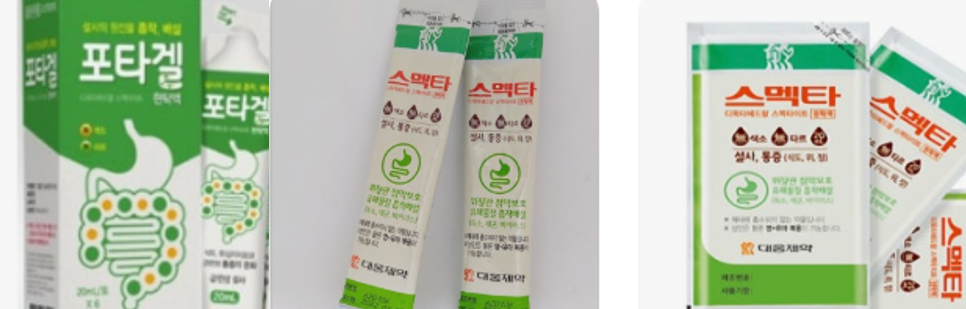
4. For diarrhea or stomach trouble: Smecta or Potagel
For diarrhea or sudden stomach trouble, Smecta and Potagel are well-known choices in Korea. These liquid or suspension-style products are easy to take and are commonly used for short-term digestive problems. If symptoms are severe, if there is fever, dehydration, or blood in the stool, or if the problem continues for several days, it is safer to go to a hospital instead of self-treating.
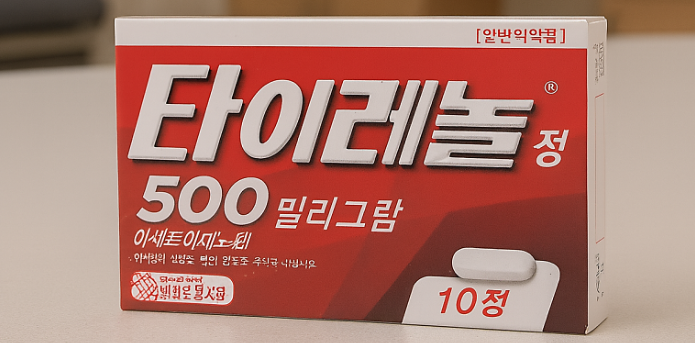
5. For pain relief: Tylenol
For headaches, body aches, or mild pain, Tylenol is one of the most familiar options in Korea. It is easy to recognize and widely used. Convenience stores may carry only a limited number of approved first-aid medicines, so a pharmacy is still the better choice if you want more guidance or different options.
Final thoughts
These are simply a few of the better-known medicines that many people in Korea recognize and buy for common symptoms. I am not a pharmacist or a doctor, so I still recommend getting proper advice from a pharmacist or visiting a hospital or clinic when the symptoms are serious or unclear. A correct diagnosis is always more important than guessing.
#KoreaTravel #KoreanPharmacy #OTCMedicine #KoreanMedicine #TravelHealth #EmergencyMedicine #Tylenol #Zyrtec #Smecta #Madecassol #Fucidin #KoreaTips #ExpatsInKorea #KoreaGuide