Is It Hard to Eat Vegan in Korea?
A lot of travelers wonder if Korea is difficult for vegans.
The honest answer is: it can be a little tricky at first, but it is definitely possible.
Many Korean dishes are vegetable-heavy and rice-based, which sounds vegan-friendly. However, some foods that look vegetarian may still include egg, fish sauce, anchovy broth, or other hidden animal ingredients. That is why knowing which dishes are naturally vegan, which ones can be adjusted, and which ones need extra caution makes a big difference.
The good news is that vegan food in Korea is becoming easier to find, especially in Seoul.
Korean Vegan Food Is More Common Than Many People Think
Korean food is not only about barbecue and fried chicken. There are also many meals based on:
- rice
- vegetables
- tofu
- mushrooms
- noodles
- porridge
- temple cuisine
Some dishes are already close to vegan, while others can be made vegan with simple changes like removing egg or avoiding fish-based broth.
1. Bibimbap
Bibimbap is one of the easiest Korean dishes to adapt for vegans.

It is a rice bowl topped with assorted vegetables, and sometimes mushrooms, sprouts, greens, and gochujang. The important thing is to check whether it comes with egg, beef, or sesame oil-heavy extras, and whether the sauce contains anything non-vegan.
A vegan-friendly version is usually possible if you ask for:
- no egg
- no meat
- no fish sauce if possible
Why it works well:
- lots of vegetables
- filling and colorful
- easy to find across Korea
2. Kimbap
Kimbap can be a convenient vegan option, but you have to check the ingredients.

Some simple vegetable kimbap rolls may be suitable, especially if they only contain rice, pickled radish, carrot, cucumber, burdock root, and spinach. But many versions include egg, ham, tuna, or imitation crab.
Why it is useful:
- easy takeaway food
- light and travel-friendly
- sometimes available in simple vegetable versions
3. Japchae
Japchae, or Korean stir-fried glass noodles, is often close to vegan but not always automatically vegan.

Traditional versions may include beef or sesame-seasoned vegetables, so you should confirm whether meat is included. Still, when made only with vegetables, sweet potato noodles, soy sauce, and sesame oil, it can be a very satisfying vegan Korean dish.
Why people like it:
- mild and savory flavor
- chewy noodles
- easy for first-time visitors to enjoy
4. Dubu Dishes
Dubu means tofu in Korean, and tofu-based dishes can be a good place to start.
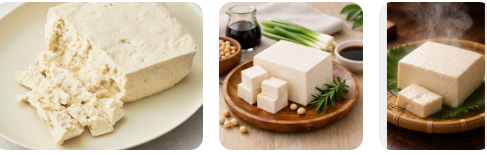
Plain tofu, braised tofu, tofu with soy sauce dressing, or tofu-centered set meals can work well for vegans. However, some tofu stews or side dishes may still use seafood stock, so it is important to ask.
Why tofu is a good choice:
- high in plant protein
- common in Korean food
- works in both hot and cold dishes
5. Juk (Rice Porridge)

Some kinds of juk, or Korean rice porridge, can be vegan-friendly.
Vegetable porridge or pumpkin porridge may work well, but always check the ingredients because some porridge varieties include seafood, abalone, or meat stock.
Why it is helpful:
- gentle and comforting
- good for breakfast or a light meal
- easy on the stomach
6. Jeon (Korean Pancakes)
Certain types of jeon can be vegan, especially vegetable or potato-based versions, but many are not automatically vegan.

Some contain egg in the batter, while others may include seafood or kimchi made with fish sauce. So this is a dish that requires a little caution.
Safer choices may include:

- potato jeon
- vegetable jeon
- mushroom jeon
if the restaurant can confirm there is no egg or seafood.
7. Namul and Vegetable Side Dishes
One of the best parts of Korean food is the variety of namul, or seasoned vegetable side dishes.

These can include spinach, bean sprouts, fernbrake, radish greens, and more. Many are plant-based, but some side dishes may be seasoned with fish sauce or other non-vegan ingredients, so they are not always guaranteed vegan.
Still, when you find a place with clearly plant-based side dishes, they can make a simple and satisfying meal with rice.
8. Temple Food
If you are serious about finding vegan-friendly Korean food, Korean temple food is one of the best areas to explore.

Temple cuisine in Korea is traditionally built around vegetables, roots, mushrooms, grains, and tofu, and avoids meat. It is often the closest thing to naturally vegan Korean cuisine, although practices may vary by place.
Temple food is also special because it gives you a quieter, more traditional side of Korean food culture.
Why it stands out:
- deeply connected to Korean food traditions
- vegetable-focused
- often one of the most vegan-friendly Korean dining styles
Korean Foods Vegans Should Be Careful About
Some foods may look vegan at first but often are not.
Be careful with:
- Kimchi – often made with fish sauce or salted seafood
- Broth-based soups – many use anchovy, beef, or seafood stock
- Tteokbokki – usually spicy, and sauce ingredients vary
- Banchan – side dishes are not always vegan
- Pancakes and dumplings – often contain egg or meat
- Instant noodles – many contain animal-based seasonings
This does not mean you cannot eat them. It just means checking ingredients is very important.
Helpful Vegan Phrases in Korean
If you are vegan in Korea, these phrases can really help:
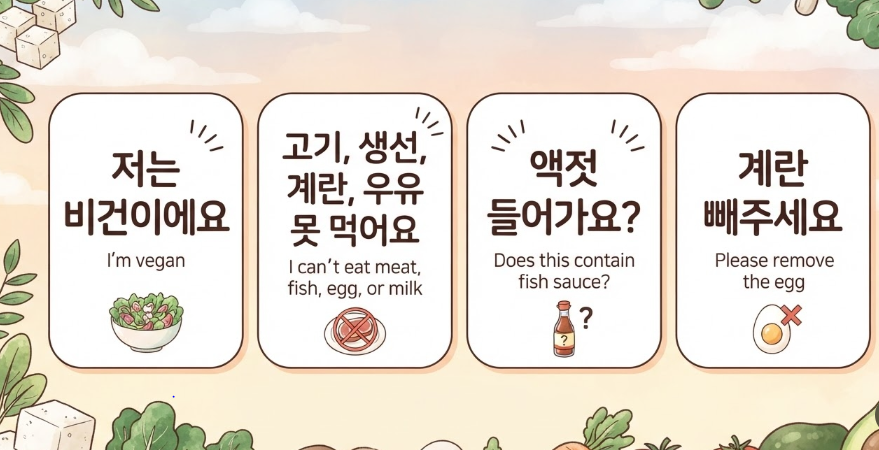
- I’m vegan
- I don’t eat meat, fish, egg, or dairy
- Does this contain fish sauce?
- Please make it without egg
Simple Korean phrases:
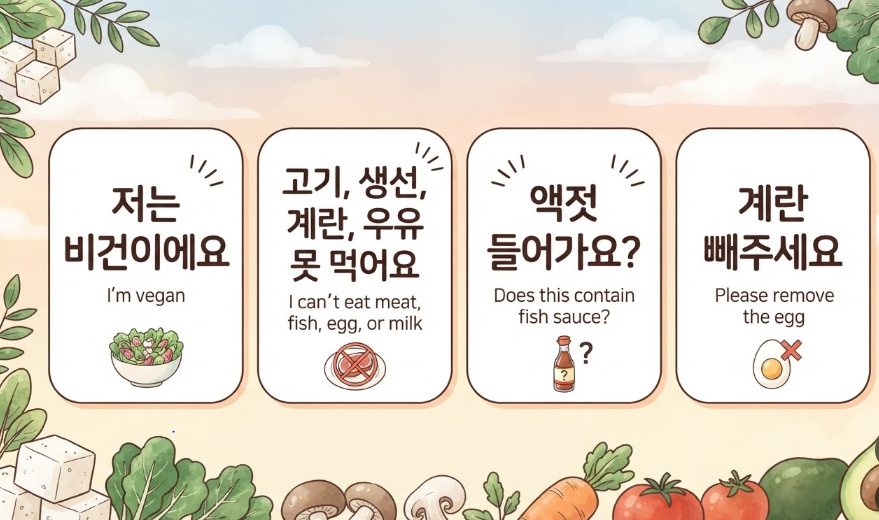
- 저는 비건이에요 = I’m vegan
- 고기, 생선, 계란, 우유 못 먹어요 = I can’t eat meat, fish, egg, or milk
- 액젓 들어가요? = Does this contain fish sauce?
- 계란 빼주세요 = Please remove the egg
Best Vegan-Friendly Korean Foods for Beginners
If you are visiting Korea and want easy starter options, these are good places to begin:
- vegetable bibimbap
- simple vegetable kimbap
- vegan-style japchae
- tofu dishes
- vegetable porridge
- temple food meals
- plant-based side dishes with rice
Korea may not always be the easiest destination for vegans, but it is much more possible than many travelers expect.
The key is to remember this:
- some Korean dishes are naturally plant-based
- many others can be adjusted
- hidden ingredients like fish sauce and egg are the main things to watch for
If you stay aware and ask a few simple questions, you can absolutely enjoy Korean food as a vegan traveler.
#KoreanVeganFood #VeganFoodInKorea #VeganKorea #KoreanTempleFood #VeganBibimbap #VeganTravelKorea #PlantBasedKorea #VeganSeoul #KoreanFoodGuide #VeganTouristGuide