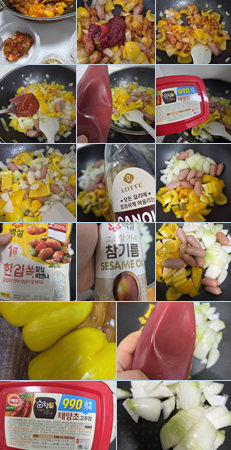
Ever wondered how Koreans eat sausage? Let me introduce Sausage Yachae Bokkeum — a beloved Korean side dish (banchan) of mini sausages stir-fried with veggies in a sweet-and-spicy ketchup and gochujang sauce. Here’s the easy home recipe Koreans grew up with.
If you’ve ever had a Korean home-cooked meal or opened a Korean lunchbox, there’s a good chance you’ve spotted little glistening red sausages tucked among the side dishes. That, my friend, is Sausage Yachae Bokkeum — Korean sausage and vegetable stir-fry — and it’s one of the most beloved side dishes we grew up eating. As a Korean, let me show you how we actually eat sausage at home. It’s ridiculously easy, endlessly forgiving, and once you try it, you’ll understand why it’s a true national favorite.
What Is Sausage Yachae Bokkeum?
In Korea, we have a classic side dish (banchan) we affectionately call “ssoya” — short for sausage yachae bokkeum, meaning “sausage vegetable stir-fry.” It’s a staple in countless Korean households, packed into lunchboxes, served at dinner tables, and even enjoyed as a snack with drinks. The beauty of it is that there’s no strict recipe; you just toss in whatever vegetables you have at home along with small sausages, season it up, and you’re done.
Ingredients You’ll Need
The wonderful thing about this dish is how flexible it is. Here’s what we typically use:
Small mini sausages (Vienna-style cocktail sausages work perfectly), plus whatever vegetables you have on hand — usually onion, bell pepper (paprika), and carrot. For the sauce, you’ll need gochujang (Korean red chili paste), ketchup, and a touch of sesame oil. That’s really all it takes.
How to Make It (Step by Step)
Step 1: Score the Sausages
First, make a few small cuts (score marks) into each mini sausage. This is a little Korean trick — when they cook, the cuts open up beautifully and let the sauce soak in better. It also makes them look more appetizing.
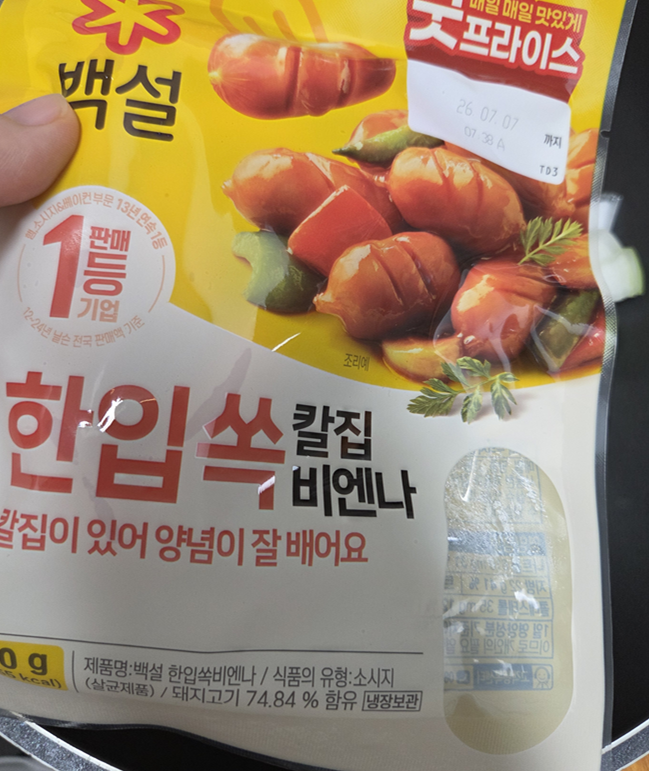
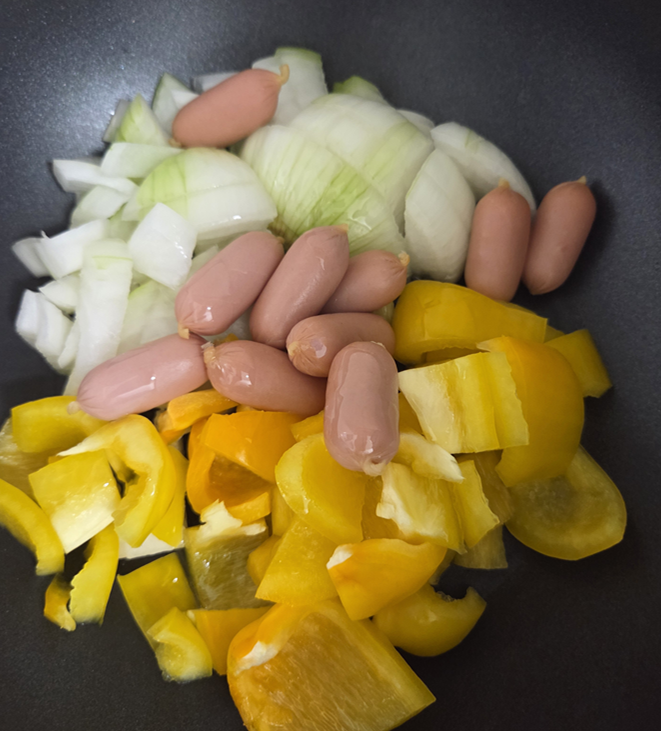
Step 2: Stir-Fry the Vegetables and Sausages
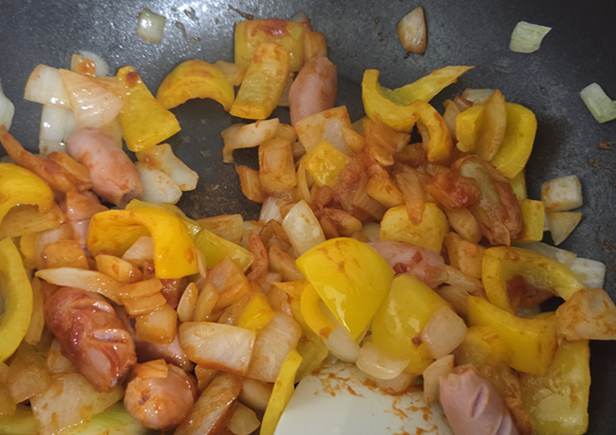
Slice your onion, bell pepper, and carrot, then stir-fry them together with the scored sausages in a hot pan. Cook until the vegetables soften and the sausages are heated through and starting to brown.
Step 3: Add the Sauce
Once everything is nicely stir-fried, add one big spoonful of gochujang, a generous squeeze of ketchup, and a light drizzle of sesame oil.
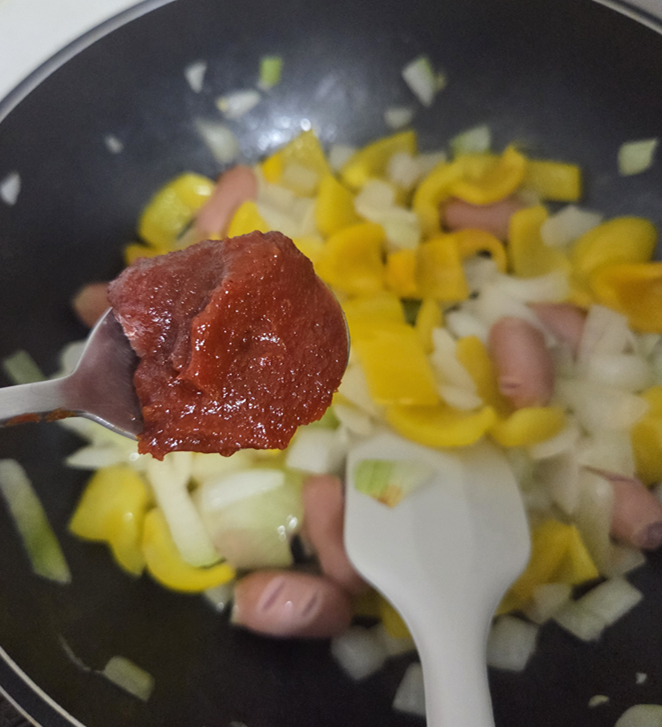

Mix it all together so the sauce coats everything evenly.
Step 4: Let It Simmer
Let the whole thing simmer for about 1 to 2 minutes, allowing the sauce to thicken and cling to the sausages and veggies. And that’s it — your Korean-style sausage stir-fry is ready.

Step 5: Serve with Rice and Kimchi
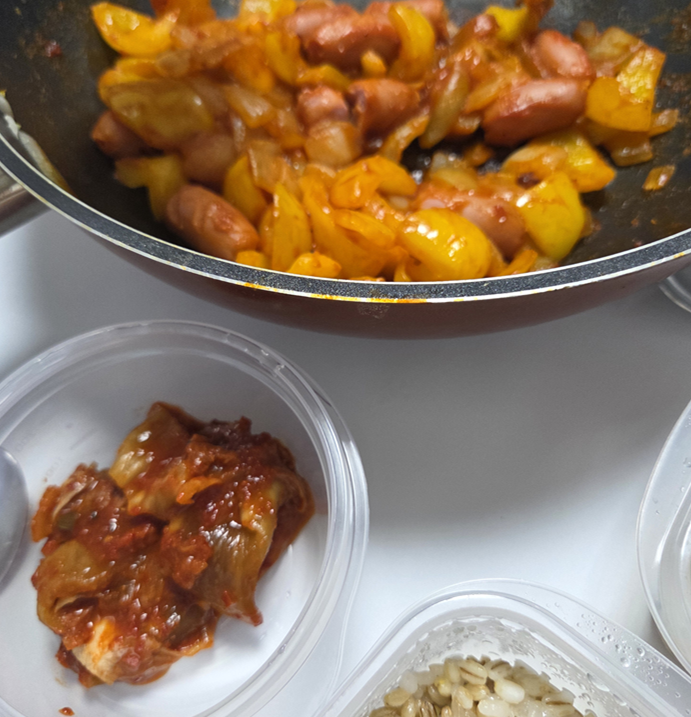
Serve it hot over a bowl of rice you’ve prepared in advance — and here’s the most important part: eating it with homemade kimchi is an absolute must! The cool, tangy crunch of kimchi cuts through the sweet-and-spicy sausage perfectly. After all, kimchi is the soul food of Korean people. No Korean meal feels complete without it, and this dish is no exception.
Why Koreans Love This Dish
What makes this dish so addictive is the harmony of flavors. The familiar tangy sweetness of ketchup meets the gentle heat and depth of gochujang, creating a sweet-and-spicy balance that’s hard to resist. It’s comforting and nostalgic for Koreans, kid-friendly enough for picky eaters, yet flavorful enough to enjoy as a side with rice or even as an anju (snack with drinks). Honestly, it disappears fast at any table.
A Few Local Tips
If you’re cooking for kids or prefer it milder, go easy on the gochujang and lean more on the ketchup. Want it spicier? Add a little more gochujang or even a pinch of chili flakes. Sprinkle some toasted sesame seeds on top at the end for extra aroma, and serve it hot with a bowl of steamed rice — that’s how we enjoy it best.
Final Thoughts
Sausage Yachae Bokkeum is proof that Korean home cooking doesn’t have to be complicated to be delicious. It’s the kind of dish almost every Korean grew up with — simple, comforting, and packed with that signature sweet-and-spicy flavor. So next time you’ve got some sausages and a few veggies in the fridge, give the Korean way a try. Score those sausages, stir them up with gochujang and ketchup, serve them over warm rice, and don’t forget the kimchi on the side. Because to us, kimchi isn’t just a side dish — it’s the soul food of Korea, and it turns a simple plate of sausage stir-fry into a true taste of a Korean home.Sausage Yachae Bokkeum is proof that Korean home cooking doesn’t have to be complicated to be delicious. It’s the kind of dish almost every Korean grew up with — simple, comforting, and packed with that signature sweet-and-spicy flavor. So next time you’ve got some sausages and a few veggies in the fridge, give the Korean way a try. Score those sausages, stir them up with gochujang and ketchup, and enjoy a little taste of a Korean home.
KoreanFood #SausageStirFry #SausageYachaeBokkeum #KoreanRecipe #KoreanBanchan #KoreanSideDish #Gochujang #EasyKoreanRecipe #KoreanHomeCooking #Ssoya #KoreanLunchbox #KFood #CookKorean #KoreanCuisine