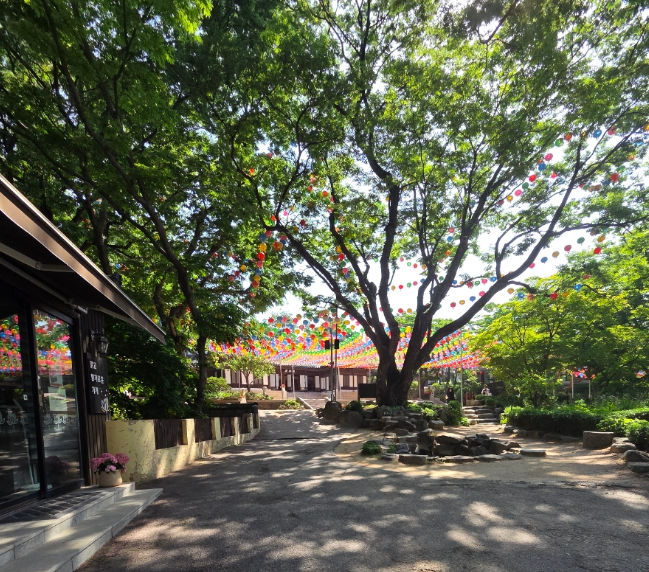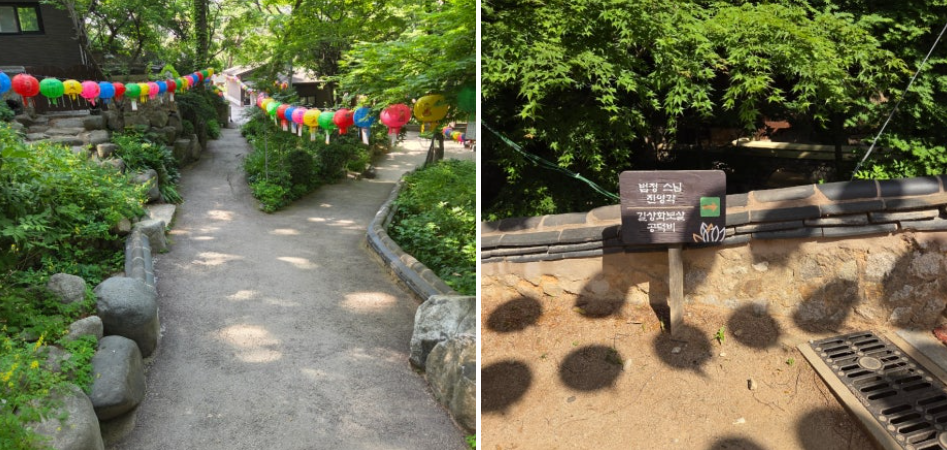
Once a luxurious courtesan house called Daewongak, Gilsangsa Temple in Seoul is now a serene urban sanctuary. Discover its moving history, the legacy of Venerable Beopjeong, how to get there from Hansung Univ. Station, and an honest first-hand review.
I recently visited Gilsangsa Temple in Seongbuk-dong, Seoul — and even now, it’s hard to believe a place this calm and green exists right in the heart of the city.
When you think of temples in central Seoul, you might picture crowds of tourists. But Gilsangsa felt completely different the moment I stepped inside. “Is this really in Seoul?” was the first thing that came to mind.
How to Get to Gilsangsa Temple
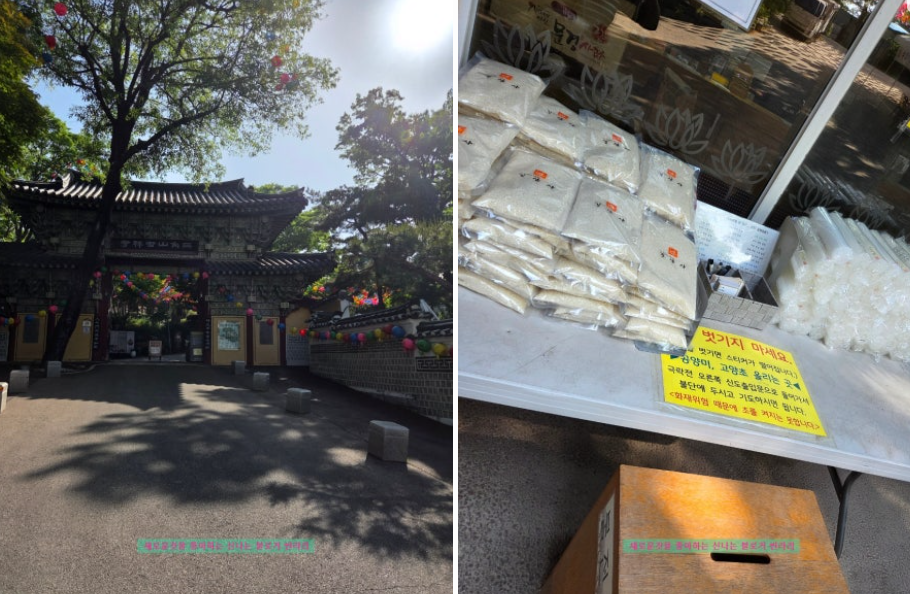
I took Subway Line 4 to Hansung University Station (Exit 6), then hopped on the Seongbuk 02 village bus, which dropped me near the temple entrance. The bus winds through the quiet alleys of Seongbuk-dong, so even first-time visitors can get there easily.
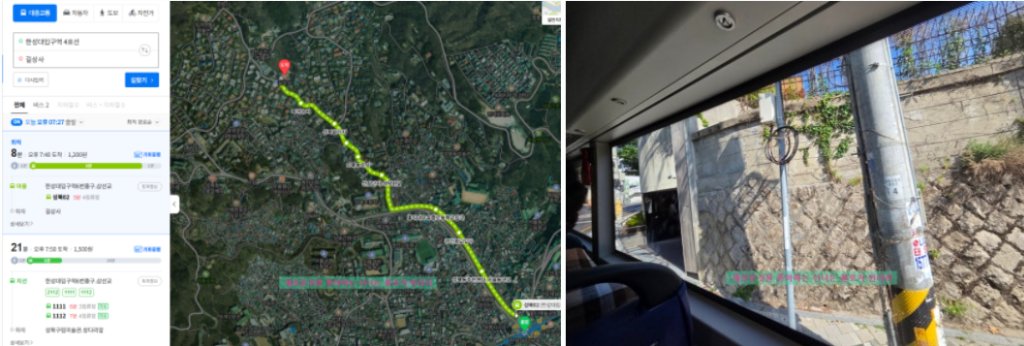
On the way back, instead of taking the bus, I walked down through the streets of Seongbuk-dong as if strolling, and I highly recommend this. The slope is gentle, never steep, so you can take your time soaking in the quiet, charming atmosphere that this neighborhood is famous for.
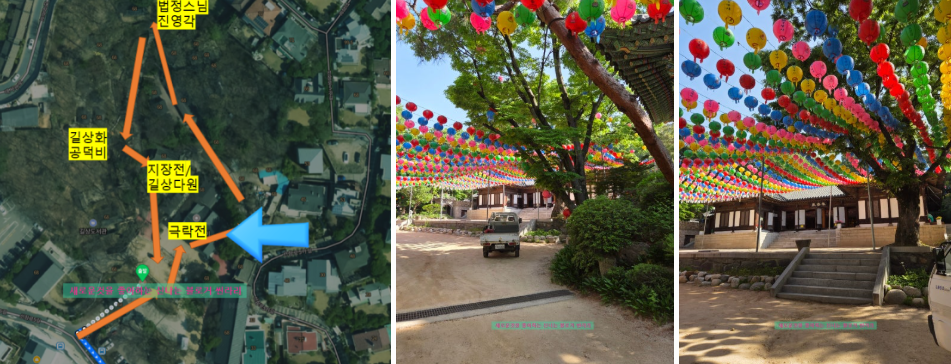
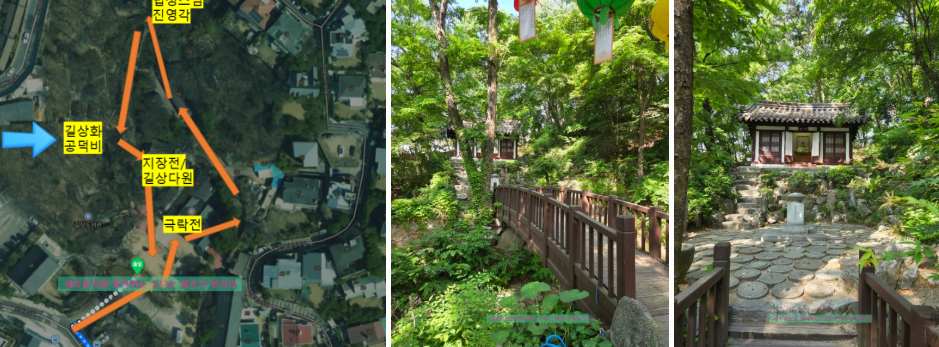
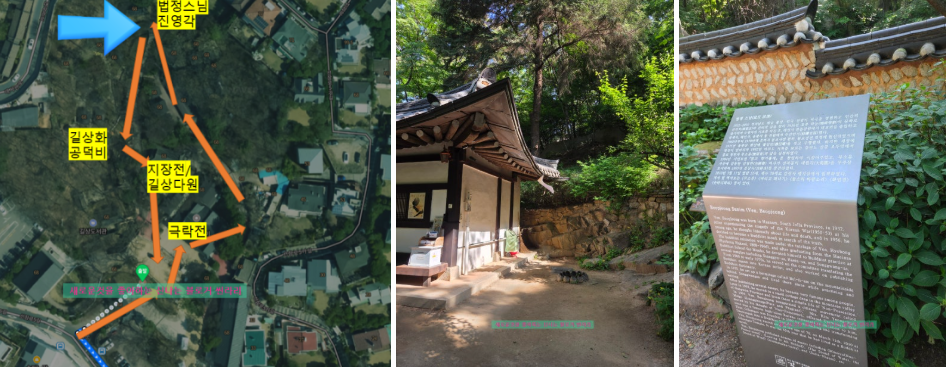
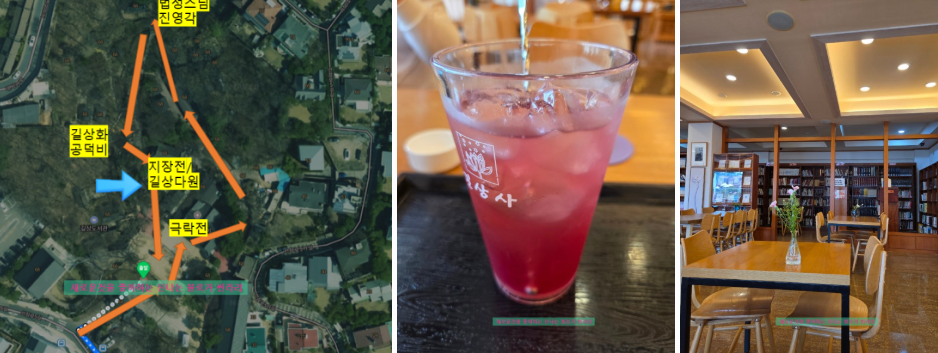
Note: The official Gilsangsa website doesn’t have a detailed map of the grounds, so I marked my own walking route using Naver’s satellite map. Feel free to let me know if anything looks off!
Geungnakjeon — The Main Hall
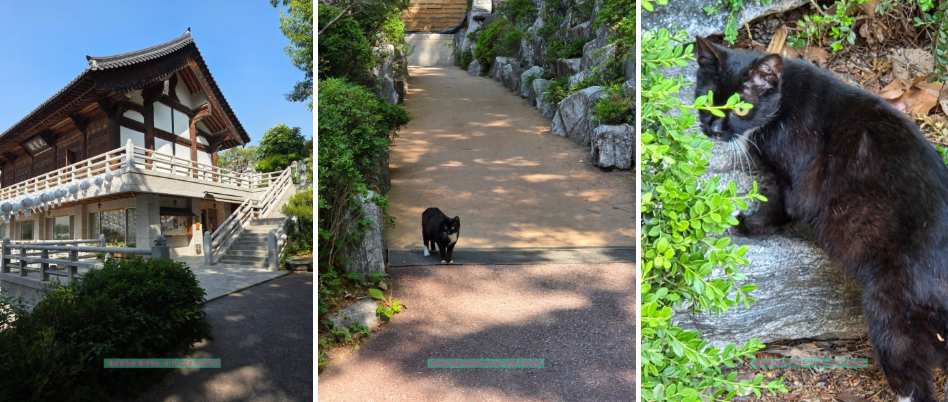
The first place I encountered was Geungnakjeon, the temple’s main Buddhist hall, which enshrines Amitabha Buddha. It’s said that Venerable Beopjeong and the temple’s benefactor, Gilsanghwa, chose Amitabha as the principal Buddha out of a wish for all beings to be freed from suffering and find joy.
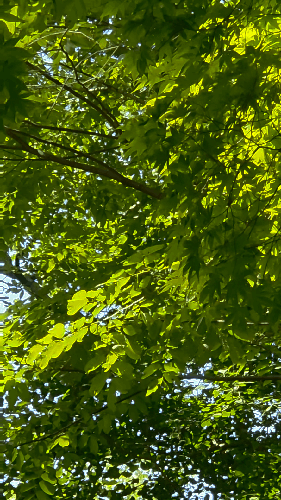
Looking out from inside the hall, a fresh breeze brushed against my cheek — a small moment that has stayed with me. The gentle sound of birdsong, rustling leaves, and remarkably clean air made my mind settle naturally.
Jinyeonggak — Venerable Beopjeong’s Memorial Hall
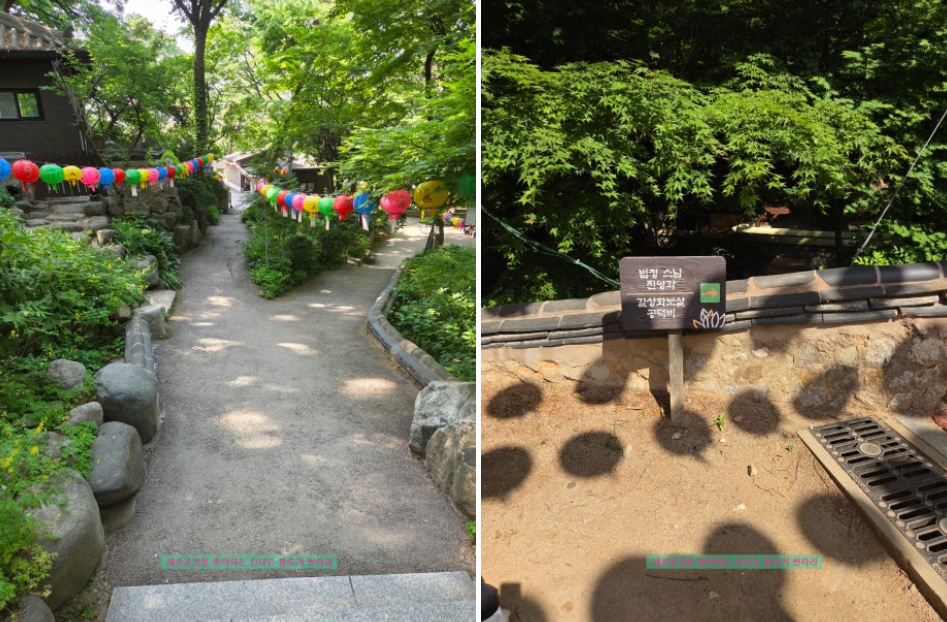
Walking a little uphill, you’ll reach Jinyeonggak, the memorial hall dedicated to Venerable Beopjeong, located at the highest point of the temple. Inside, you’ll find his portrait, handwritten manuscripts, and his will (photography is not allowed inside). Being so close to the traces of a monk who truly lived the philosophy of “non-possession” left a deep impression on me.
Why Gilsangsa Is So Special — From a Courtesan House to a Temple
If I had visited thinking it was just a pretty temple, I might have walked right past these stories. But knowing the background made the place feel so much more meaningful.
This site wasn’t always a temple. It was once Daewongak, considered one of Seoul’s three most famous high-class courtesan houses (gisaeng restaurants). Its owner, Kim Young-han, was so moved after reading Venerable Beopjeong’s book Musoyu (Non-Possession) in 1987 that she decided to donate the entire property — reportedly worth around 100 billion won. Beopjeong declined repeatedly for over a decade, but eventually accepted, and Gilsangsa Temple was founded in 1997.
Even the temple’s name comes from Gilsanghwa, the Buddhist name given to Kim Young-han. In other words, Gilsangsa isn’t simply an old traditional temple — it’s a place with a remarkable story of a worldly space transformed into one of practice and generosity.
Perhaps that’s why Gilsangsa feels less about solemn formality and more about being open to everyone, a place where anyone can rest comfortably. Visiting in person, I finally understood why so many people remember it not just as a temple, but as a “space for rest.”
A Symbol of Interfaith Harmony — The Avalokitesvara Statue
Gilsangsa also holds a meaningful symbol of interfaith harmony. The Avalokitesvara (Gwaneum) statue on the grounds was created in 2000 by sculptor Choi Jong-tae, a devout Catholic. While it’s a compassionate Buddhist bodhisattva, its form strikingly resembles the Virgin Mary in Catholic tradition. Born from the cross-religious friendship between Venerable Beopjeong and Cardinal Kim Sou-hwan, the statue feels even more profound once you know its story.
A Quiet Break at Gilsang Dawon
After my walk, I stopped by Gilsang Dawon, the temple’s book café. It’s a space designed for sipping tea, reading, and quiet reflection — and with Buddha statues enshrined inside, it almost feels like another hall of worship. There were plenty of books on the shelves, making it a lovely spot to gather my thoughts over a cup of tea.
Gilsangsa isn’t the kind of tourist spot you rush through. It’s a place that grows on you the longer you quietly linger.
Final Thoughts
What struck me most about Gilsangsa wasn’t grandeur — it was the quiet, refreshing nature and the stories woven into it. The birdsong, the breeze, the green of the leaves, and the traces of Venerable Beopjeong I encountered along the way all came together so that I didn’t feel like I’d merely toured a temple — I felt like I’d taken a real pause.
If you’re looking for a quiet walking course in Seongbuk-dong, a place to rest your mind within Seoul, or if you’re curious about Venerable Beopjeong or the story behind Gilsangsa, I genuinely recommend a visit. More than just a beautiful temple, it’s a place where you can feel for yourself why it’s remembered so fondly by so many.